If I’m honest, when I hear the word “squid,” I don’t think of their remarkable predatory skills.
I don’t think of their millennia-old significance in mythologies from around the world.
I think of deep fried calamari and chips.

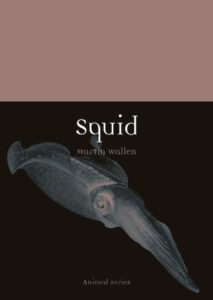
If I’m honest, when I hear the word “squid,” I don’t think of their remarkable predatory skills.
I don’t think of their millennia-old significance in mythologies from around the world.
I think of deep fried calamari and chips.
The number of books encompassed by the many natural history series published by Reaktion Books and distributed by University of Chicago Press is truly impressive. From Animal and Botanical through Kosmos and Earth, scores upon scores of volumes (Animal alone, by my count, presently contains ninety-nine books) take up a wide range of topics that will keep an interested naturalist reading for years.
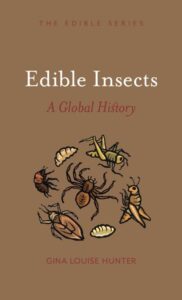
I could never intentionally make insects a part of my diet – I have hemochromatosis and the iron content of many of them is far too high for me. However this same high iron content, as well as a number of other nutritional benefits, makes insects an very beneficial part of many people’s diets indeed – as many as two billion of them by some estimates.
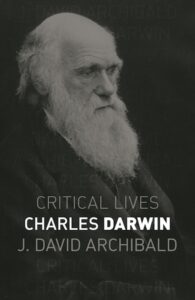
A very problematic biography of Charles Darwin I received many years ago for review has long left me nervous about taking up any biography of him published since; however Dr. J. David Archibald’s new “Critical Lives: Charles Darwin” is well supported by the high integrity and scholastic history of its author, its publishers, and those who have already made early assessments of the book.