As the United States becomes increasingly urbanized, how its citizens experience and interact with the natural world will become more and more influenced by how the nation’s cities are arranged.
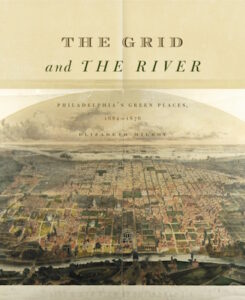
The Grid and the River
As the United States becomes increasingly urbanized, how its citizens experience and interact with the natural world will become more and more influenced by how the nation’s cities are arranged.
I’ll admit it; the state of Florida is something of a mystery to me. I’ve been there a few times, hiking and bird watching here and there, but I’ve yet to develop anything more than a rudimentary understanding of it in either a social or an ecological sense. Fortunately, there are people who do understand it – at least ecologically (and if you count Carl Hiaasen, socially as well) – people like Susan Cerulean.
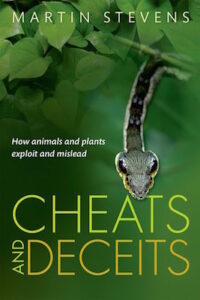
If you’ve studied natural history for very long, you’ve likely by now noticed that a wide variety of plants and animals have the appearance of things much different than what they themselves actually are; caterpillars that look like snakes or hoverflies that look like bees, for example. While it’s fairly obvious that such deceptive traits would be valuable for a range of reasons, how did they come about in the first place? And for that matter, what do such deceptions mean in regard to evolution and adaptation?
As the lyrics of one of the most famous popular Christmas songs goes “He knows if you’ve been bad or good / So be good for goodness sake.” And I mean really good; at least if you want to have a hope of seeing a copy of Lynx Edicions’ new 87.00€ “Bird Families of the World” in your stocking.