Ben Parsons’ “Introducing Medieval Animal Names,” the most recent addition to the superb Medieval Animals series from Gwasc Prifysgol Cymru / University of Wales Press is now available in both the UK and the US.
Introducing Medieval Animal Names
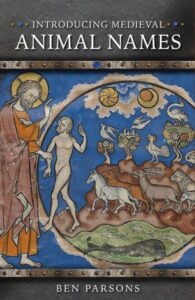

Ben Parsons’ “Introducing Medieval Animal Names,” the most recent addition to the superb Medieval Animals series from Gwasc Prifysgol Cymru / University of Wales Press is now available in both the UK and the US.

Prior to the late medieval period in England, reading was an activity largely confined to those who were fluent in Latin, and who either had access to libraries or who could afford the high prices books commanded in the marketplace. However around 1400, thanks to technological developments and more frequent translation of Latin works into English, a larger portion of the population began to make the reading of books, especially utilitarian books such as almanacs, medical recipe collections, and herbals part of their lives, particularly in regard to how they managed their health, homes, and the conduct of their lives.
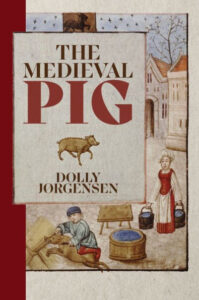
While in our present time pigs are primarily only found penned on a farm or less commonly roaming deep in the wilds, in the European Middle Ages they occupied a significantly wider range of spaces and interacted with people in many more ways than they now do. Prof. Dolly Jørgensen’s new book “The Medieval Pig” presents and overview of their history during this period.
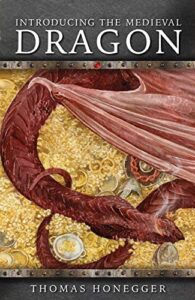
The phrase “here there be dragons,” so famously seen on old maps indicating places where there were great and mysterious dangers to be found, was not so very long ago not simply a metaphor. In fact, no less an authority on natural philosophy (what would later become known as natural history) than Linnaeus himself included […]