Boria Sax’s “The Butterfly Who Dreamt He Was A Man” may be his most eclectic book yes, an for a scholar as famous for his eclectic as Dr. Sax is, that is no small accomplishment.
The Butterfly Who Dreamt He Was a Man
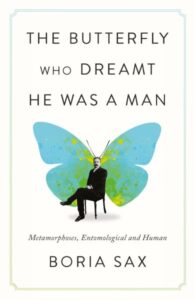

Boria Sax’s “The Butterfly Who Dreamt He Was A Man” may be his most eclectic book yes, an for a scholar as famous for his eclectic as Dr. Sax is, that is no small accomplishment.
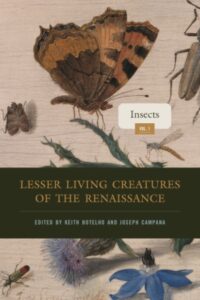
As someone who nourishes active interests in both the arts and the sciences, particularly natural philosophy, and the literature and history of early modern England, I could scarcely believe my good fortune to have been made aware of “Lesser Living Creatures of the Renaissance.”

Titled in reference to, and honor of, Phillip Henry Gosse’s classic 1861 book The Romance of Natural History , Dr. Lynn Merrill’s The Romance of Victorian Natural History presents an examination of not only Mr. Gosse’s own writings but those of his Nineteenth Century fellow amateur natural history practitioners as well. Yet even if this […]
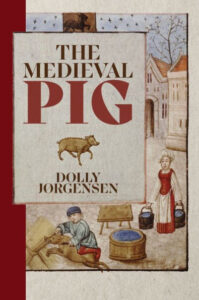
While in our present time pigs are primarily only found penned on a farm or less commonly roaming deep in the wilds, in the European Middle Ages they occupied a significantly wider range of spaces and interacted with people in many more ways than they now do. Prof. Dolly Jørgensen’s new book “The Medieval Pig” presents and overview of their history during this period.