One plus one equals two.
Two plus two equals four.
Regardless of how much you want it to, or how zealously you try to make it do so, one plus one will not equal three, nor will two plus two equal five. Math just doesn’t work that way.

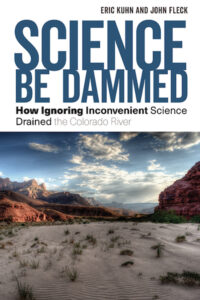
One plus one equals two.
Two plus two equals four.
Regardless of how much you want it to, or how zealously you try to make it do so, one plus one will not equal three, nor will two plus two equal five. Math just doesn’t work that way.

As regular readers know, when I am “looking for the entry-way” into a new subject – be it scientific, cultural, political, or what-have-you – I often seek out one of the remarkably handy Very Short Introductions series volumes from Oxford University Press. However sometimes the perspective I’m seeking on a new subject is not necessarily one of of it as a scholarly area of study but rather one of it as a topic of public discussion or debate. In these cases I turn to another Oxford University Press series, their What Everyone Needs to Know books.
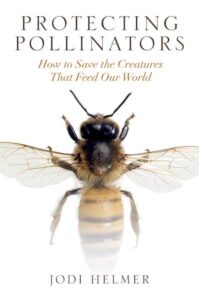
If you’re like most people, when you hear the word “pollinators,” the first creatures that most readily come to mind are bees. And while bees are indeed very important in the pollination of many of the planet’s plants, a range of other creatures, from moths, flies, and other insects, to bats, birds, and even mice and lizards also play out their own roles upon the world’s grand stage.
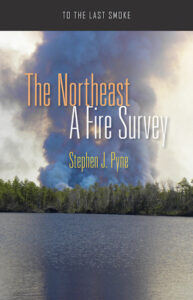
Given the amount of rain I’ve been seeing while here attending Ohio’s The Biggest Week in American Birding, there’s not much chance of any significant wildland fires breaking out; however if one did, thanks to the recent publication of Stephen J. Pyne’s “The Northeast; A Fire Survey” I take comfort in knowing that I could quickly acquire an understanding of the reasons why it may have done so, the history of past fires in the region, and gain a bit of insight into how it might behave as well.