He’s made a list.
He’s checked it twice.
It must have been quite a job
To pick a single winner among books this nice.


He’s made a list.
He’s checked it twice.
It must have been quite a job
To pick a single winner among books this nice.
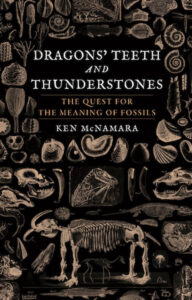
What did our ancestors who were unfamiliar with the origins of the fossilized remains of prehistoric creatures make of them? Did they recognize such things as belemnites, brachiopods, bits of vertebral columns, and other curious, stone objects extracted from the ground as the remains of creatures from long ago? If so, were such creatures factual or fantastic? And in any case, what useful qualities – or even extraordinary, perhaps even magical, powers – did they assume these mysterious objects might posses?
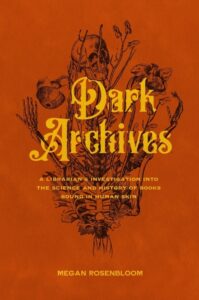
Quite honestly, I’m not sure what I could reasonably write following the words “books bound in human skin” that would have any greater power to induce anyone horrified at the prospect of reading a book about such a subject to overcome their aversion, or for that matter that would inspire anyone already keen to take up a such a subject even more willing to do so. Such is the division the long-whispered rumours of anthropodermic book binding has upon people.
Nevertheless, I’ll have a go.
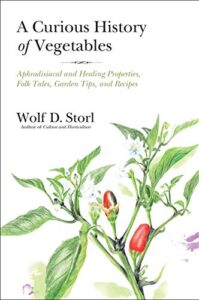
For those unfamiliar with Professor Storl, he is one of those remarkable people who have blurred the conventional boundaries in his life-long quest to understand the relationships – both historic as well as present-day – between people and plants, and then to share with others what he has learned.