
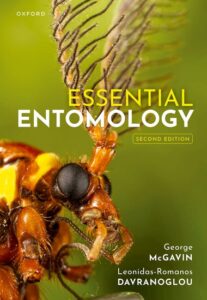
 In general, textbooks have a bad name these days – and for those who have had reason to use them in seeking to improve their understanding of a subject, it’s often not difficult to see why. I’m not pointing any fingers, but the trend in their publication has given the impression that creation of new, often very expensive, editions as quickly as possible rather than improving their respective effectiveness and utility is the primary motivation behind their cyclical creation. And as for readability or simple enjoyability, the writing style is often mechanical to the point of mental discomfort. Indeed, I’ve examined too many over the past years that seem as though they were drafted by a very large committee of contributing authors the members of which never met.
’Twas not always thus. My own autodidactic practices were early on inspired by a physical science textbook that I found neglected on the shelves in the library of the junior high school I attended. For the life of me I cannot recall the title, but it had a silver and black cover, and was filled with the best explanations – not only clearly explained, but cleverly and even playfully as well – of the basic elements of the subject that I have yet read up to this very day. I nearly read the cover off that book and very much would like to have a copy of it today if only I could recall the title.
The new second edition of Essential Entomology by Dr. George McGavin and Dr. Leonidas-Romanos Davranoglou very favorably reminds me of that long-lost physical science textbook of my youth. From the very first page, the authors make it clear to their readers that the journey upon which they are about to begin is one that has been carefully considered and determined to be the most effective in leading them not only to an understanding of the essential biology of the members of the insect orders but of their relationships to one another, the world in which they live, and their history on the planet as well.
Given the bewildering number of insect species that are known to inhabit the world, as well as the even larger number yet to be identified that are thought to do so, beginning the study of entomology can present the curious student (and by student I include not just those studying in formal educational institutions but rather all those who seek after knowledge in a subject area) with a profound conundrum of just where to begin. By taking a taxonomic approach in this new edition of Essential Entomology and combining it with both ecological and historical information to enrich the portrait of the members of the included Orders, the authors establish a strong foundation for all those completing a reading of the book to go forth with into further enquiries not only with a feeling of confidence in having a firm grasp of “the essentials” but also with a mind filled with potential directions to pursue.
If you enjoyed reading this, please consider signing up for The Well-read Naturalist's newsletter. You'll receive a helpful list of recently published reviews, short essays, and notes about books in your e-mail inbox once each fortnight.
