
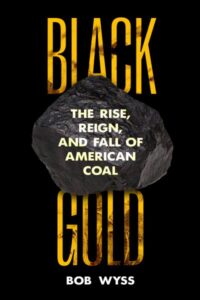
 When the widespread mining and use of coal to generate the power that made the development what has now become modern life in industrialized nations possible, it was seen as something just short of miraculous. Few asked any questions about the costs of doing so to the environment and to the health of those who mined and lived where it was being mined.
Today, with the development of new energy generation technologies that are less taxing on the environment and less injurious to the health of those working in these industries, coal is – or at least was until the achievement of political power by the present U.S. administration – on its metaphorical back foot; however that doesn’t mean that the coal industry is by any means conceding its long held position of power. From a business as well as an ecological perspective, this seems both unprofitable as well as illogical, but when the history of the industry is known, it becomes much more understandable, as well as unfortunate.
In his new book Black Gold; The Rise, Reign, and Fall of American Coal, Prof. Bob Wyss presents a detailed and multi-faceted narrative history of the industry that includes the effects it has had upon American society, organized labor, governmental policy, and U.S. natural resource management. Spanning such a wide range of interwoven subjects, this is a book that can be expected to be worthy of the attention of an equally wide ranging community of readers, including you as a reader of The Well-read Naturalist.
If you enjoyed reading this, please consider signing up for The Well-read Naturalist's newsletter. You'll receive a helpful list of recently published reviews, short essays, and notes about books in your e-mail inbox once each fortnight.
